San Antonio Addiction Treatment for Teenagers: Structure Resilience
Adolescents do not misuse substances in a vacuum cleaner. In Bexar County I have fulfilled teenagers who started vaping THC in intermediate school because it aided them sleep after a moms and dad's graveyard shift left them alone. Others started taking drawn away ADHD energizers to stay on par with innovative classes, after that moved right into weekend Xanax and, at some point, fentanyl-laced fake pills. The course in is seldom a solitary choice, and the course out is never ever a solitary solution. Efficient addiction treatment for teens in San Antonio depends on timing, family members interaction, social fit, and useful follow-through, not just a medical diagnosis code.
This is a city with deep areas, big high schools, a strong army existence, and households that commonly span several generations within a couple of miles. Every one of that shapes exactly how adolescents respond to assist. The programs that work right here satisfy teenagers where they are, connect quickly to institutions and primary care, and develop abilities that matter on a Tuesday mid-day, not simply throughout a treatment hour.
What durability truly appears like for teens
We use strength so often it takes the chance of sounding abstract. With teens, I specify it in evident actions. A resilient teenager can name a craving prior to it runs them, can request for help without shame, and can self-correct after a slip. They turn up for college even when rest is off. They return phone calls from their therapist. They understand that two great weeks do not assure an easy 3rd week, and they plan around that fact.
Resilience is not character. It is a set of behaviors, practiced in little moments, sustained by adults that maintain turning up. In treatment, we build those practices via repetition and predictable frameworks. Safety plans are taped to room wall surfaces. Instructors and teachers are knotted in, within the guardrails of privacy guidelines. Parents learn to react to late-night panic with 3 steady steps, not arguments. In time, the teen's nervous system learns a different pattern.
The landscape of adolescent addiction treatment in San Antonio
Families often request for a solitary referral, as if there is a best place in town. There is no one-size option. What San Antonio does have is a complete continuum, from short interventions in pediatric centers to extensive household treatment. The right suit is usually the least intensive degree that still ensures safety and progress.
-
Early intervention and school-linked services: Many middle and secondary schools work together with neighborhood carriers for prevention classes, short screenings, and very early counseling. This is where I such as to begin if the teenager is trying out or showing light impairment. A two to six session inspirational intervention can alter instructions prior to a crisis.
-
Outpatient and extensive outpatient programs: For teenagers utilizing regular or everyday, yet stable in the house, these programs use three to 9 hours weekly, frequently in late mid-day or evening. In San Antonio, organizing around football, mariachi, and task changes actually matters. Programs that flex with tasks maintain teenagers engaged.
-
Partial hospitalization and day therapy: Useful when step-up intensity is required without an over night stay. Generally 5 days a week, five to six hours daily, for two to four weeks. Transport support can be the difference between presence and dropout.
-
Residential treatment: Reserved for risky use, co-occurring psychiatric instability, or harmful home settings. Short stays, normally 14 to 45 days, concentrate on stabilization and planning, not remedies. The most successful discharges have outpatient follow-up booked prior to the teenager leaves the building.
-
Medication-assisted treatment: For opioid use, buprenorphine can be ideal also for teens, yet prescribers comfy with young people are fewer. For alcohol, naltrexone may be considered. These decisions are nuanced and have to be coupled with therapy and family members work.
A fast note regarding cost and insurance coverage in Texas: Medicaid and CHIP can cover a significant part of teen solutions, however consents are time-limited and documents heavy. Commercial plans vary widely. Family members should anticipate a minimum of 3 call: advantages verification, professional evaluation, and permission. Programs that help with this documentation tend to keep teenagers enrolled longer.
What changes in the fentanyl era
Five years back, imitation tablets were an occasional danger. Currently, they are regular. I have seen teenagers who thought they were taking Percocet misuse pressed tablets with fentanyl on the very first or 2nd try. For family members, this modifications take the chance of calculus. A parent that as soon as assumed we could keep track of a taper in your home now faces a prospective overdose with a single lapse.
In sensible terms, this suggests more regular use of naloxone in homes and colleges, even when the main material is not opioids. It indicates greater uncertainty for withdrawal masked as anxiety. It additionally shapes how we talk to teenagers. I do not lecture. I explain potency variability in pressed pills, reveal a five-minute training on naloxone sprays, and practice a strategy with close friends. Damage reduction might feel unpleasant to some moms and dads, yet instructing survival abilities is part of maintaining a teen active long enough to choose recovery.
Family systems matter greater than any kind of solitary modality
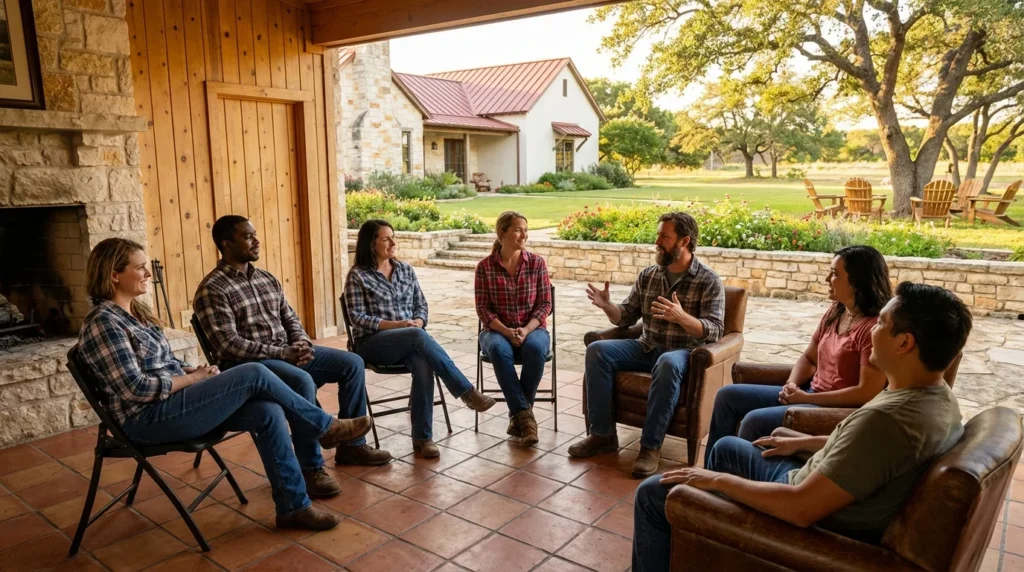
I have pertained to count on family members therapy not due to the fact that it is rather, however because it is useful. When a teen quits utilizing, family routines are the scaffolding that holds those early days. In San Antonio, I have actually viewed grandparents end up being the consistent ride to afternoon teams, a tía come to be the lunch check-in by message, or an older brother or sister silently reposition changes to cover childcare so moms and dads can participate in multi-family sessions.
Models like multidimensional household therapy, functional family members treatment, and the family members parts of the Adolescent Area Reinforcement Strategy deserve looking for. Regardless of the label, search for a program that:
-
Sees parents or caretakers once a week and appoints them active tasks, not simply updates.
-
Teaches clear restrictions with cozy tone, as opposed to anger-driven rules.
-
Provides scripts and role-plays for high-risk discussions, not just handouts.
-
Addresses caregiver tension, including sleep and without treatment anxiety or trauma.
-
Talks about social media and group talks straight, considering that those shape gain access to and triggers.
Families in some cases stand up to family members work due to the fact that the teenager "requires to possess their selections." I recognize the sentiment, and I still motivate them to show up. Adolescents improve quicker when the environment in the house obtains much less volatile, even if the teen originally rolls their eyes through the initial 2 sessions.
Co-occurring psychological wellness is the norm, not the exception
If you ask a San Antonio teenager why they use, you will certainly find out about competing thoughts, chronic discomfort, rest that never ever resets, and the glow of efficiency stress. Anxiousness and depression typically predate normal usage, and injury prevails throughout postal code. Treatments that miss this layer do not stick.
On the ground, this suggests screening for ADHD, generalized anxiety, panic, PTSD, and learning differences at intake, then changing plans. A teenager with untreated ADHD that drops marijuana might locate courses unbearable. If we do not review energizer options or non-stimulant choices, we leave them to white-knuckle school for a week or more prior to relapse. Similarly, a teen with nighttime panic attacks will certainly have a hard time to stand up to benzodiazepines unless we aggressively construct other sleep and anxiousness tools.
I additionally suggest households to inquire about nutritional and rest supports. You can not divide state of mind from tiredness and blood glucose in an establishing brain. Basic steps aid: regular meal timing throughout program days, magnesium or melatonin discussed with a medical professional, and support to taper caffeine after 2 p.m.
Culture, language, and neighborhood ties
San Antonio is not a pillar. The West Side has different rhythms than Stone Oak, and military families encounter different stress factors than hospitality employees midtown. Programs that grow right here hire multilingual staff, respect weekend responsibilities around belief and family, and deal sessions that do not compel teens to select in between therapy and band practice. I have seen presence double when teams shifted to 6 p.m. Start times and included a transportation loop that consisted of Harlandale and South San districts.
Language accessibility issues. A moms and dad who nods via an English-only session may leave perplexed. When a medical professional mirrors a family's language and customs, depend on grows faster and safety and security plans get used. If a program can not provide interpretation, they ought to refer to one that can, not ask a brother or sister to convert clinical content.
Coordination with institutions and the juvenile system
A substantial share of references in Bexar Area come after college incidents or adolescent probation encounters. That creates seriousness and, often, concern. Great programs understand how to balance privacy with practical coordination. With guardian consent, they share presence notes or month-to-month summaries while keeping therapy web content private.
On the college side, the most effective plans include:
-
A re-entry conference after any suspension or a hospital stay, with clear expectations and a called factor person.
-
Adjusted workload for the first two weeks back, especially if rest and concentration are shaky.
-
Permission for brief, private check-ins with a counselor during the institution day.
If probation is entailed, regularity of testing and the consequences of a favorable screen should be talked about honestly. The goal is to develop liability without establishing traps. I have actually seen teens improve when an officer structures each go to as training as opposed to surveillance.
What a strong therapy plan includes
Every program has its layouts, yet in practice a robust plan for a San Antonio teen generally has the following components, composed in plain language and dated:
-
A safety plan the teenager really aided layout, covering cravings, individuals to get in touch with, and positions to prevent for the initial 30 days.
-
Specific treatment targets connected to institution or home life, like riding the bus sober three mornings a week or going back to football practice by a certain date.
-
A family members arrangement about phones, curfew, cash, and auto usage, with effects that are immediate and brief, not sweeping and vague.
-
A schedule that appreciates responsibilities. If a teen lives on the South Side and functions weekends, a program throughout Loop 1604 with 7 a.m. Teams might not be realistic.
-
Follow-up visits booked before milestones that have a tendency to destabilize teenagers, such as the end of a sporting activities season or school breaks.
Notice that none of this is exotic. The program's magic is consistency. Strength expands when the teenager views grownups maintain their word and readjust based upon what is observed, not what is hoped.
Medication: when it assists, when it complicates
Families often toggle in between anxiety of medicine and hope that a prescription will do the hefty training. The center course is to use drug purposefully to support therapy goals.
-
For opioid usage problem, buprenorphine can decrease overdose danger and yearnings. Prescribers have to fit with teens and securely incorporated with therapy and household work. I have seen successful beginnings when the very first dose is given in clinic, followed by everyday check-ins for a week.
-
For alcohol usage disorder, naltrexone can blunt benefit. With teenagers, adherence climbs when connected to a visible routine, like taking it with a parent after supper, not as a surprise tablet at school.
-
For co-occurring anxiousness or anxiety, SSRIs are common. Anticipate a careful titration and frank conversation regarding side effects. If a teen is vaping high-THC focuses, I typically postpone medicine by one to 2 weeks to watch what signs continue to be after THC degrees drop.
Medications can complicate urine testing and the assumption of "genuine healing." It assists to reframe development as function and security, not a medication count.
Choice design at home
Families do not regulate cravings, yet they regulate the environment. The information issue: a locked cabinet for drugs, cashless allowances, rides aligned with program timetables, and noticeable naloxone. I likewise urge reducing high-conflict interactions for the very first month. Replace investigations with organized check-ins: What went well today, what was hard, what is the plan for tonight, that is your contact if yearnings struck. These five-minute talks do more than a late-night argument ever will.
For technology, I advise easy guardrails: disable disappearing messages throughout the very first thirty days, maintain phones out of bed rooms in the evening, and select a solitary group conversation where parents and the teen share logistics. I prevent fancy spyware. Teenagers defeat it, and the connection price is typically higher than the benefit.
A brief tale from practice
A 16-year-old from the North East ISD arrived after a scare with counterfeit pills at a celebration. He had actually been vaping THC daily and utilizing pressed tablet computers twice a week. Qualities glided from A's to C's. His mommy functioned double shifts in health care, and his uncle did college pickups. The family had actually tried grounding, phone restrictions, and weekend lock-ins, all brief.
We started with intensive outpatient, 3 evenings a week, and a Saturday task team that rotated basketball and art. The family sessions concentrated on three modifications: the uncle took over bedtime routines during his mother's late changes, the teenager itself composed the safety and security strategy and the fridge, and the institution therapist arranged for research hall throughout last duration to decrease late-night research rises. We added naltrexone after 2 weeks when yearnings for pills remained high.
The teenager slid when, admitted it throughout a family session, and spent the next day doing sober tasks they had actually prepared in advance. No yelling, simply a check-in with the therapist and a coach. At 90 days, grades were back to B's, rest maintained, and the mommy can shift to days since the teen took more responsibility for brother or sisters. Nothing regarding this was remarkable. It was a sequence of little, stable actions that developed depend on and routine.
How to choose among programs without obtaining lost
San Antonio has solid options, but advertising and marketing can blur distinctions. To puncture the noise, call three programs and ask the very same five questions. Listen for clear, details responses, not slogans.
-
What percent of your adolescent clients complete the very first one month, and what assists them stay?
-
How do you entail families weekly, and what job do you appoint to caregivers?
-
How do you collaborate with institutions and probation when applicable?
-
Do you have bilingual staff and transport support within my zip code?
-
What is your method to fentanyl risk, including naloxone circulation and education?
If a program can not address within a min per question, they may not have the framework your teen requires. Also ask about waitlists. A two-week await a strong fit might be far better than a next-day intake to a program without family members job or institution coordination. While you wait, timetable bridge supports: medical care check-ins, a weekly private counselor, and a naloxone set in the home.
What makes treatment in Texas distinctive
Addiction treatment in Texas sits within a governing and social atmosphere that forms care. Parental consent for teen treatment is typically required, yet teenagers likewise hold specific privacy rights over their records. Programs must discuss what can be shared and obtain written releases that are reviewed as situations alter. Insurance permissions often call for quick re-justification, which implies households will be asked to finish frequent studies and go to treatment reviews. Programs used to this tempo move smoother.
Geography matters. Several family members live far from main centers, so telehealth fills voids. It functions best as a supplement. I motivate a minimum of one in-person see once a week during the very first month, to verify medicine displays and read body language that does not come with a screen. For rural pockets surrounding San Antonio, sychronisation with neighborhood health care and school counselors ends up being vital to keep momentum in between specialized consultations in the city.
Building a healing environment, not a silo
Teens rarely get better in isolation. The programs that see sustained adjustment in San Antonio actively grow a web of assistances: peer coaches that address messages on Friday evenings, faith areas that use nonjudgmental areas, sports groups that hold spots during therapy breaks, and workplaces that recognize recuperation guardrails. I have seen a Starbucks supervisor come to be the stable adult a teenager checks in with before a tough weekend break, or a church young people leader quietly drive a teen to treatment when a parent's auto was down.
This ecological community must encompass parents. Support system customized for caregivers, whether family-based recuperation teams or brief psychoeducation collection, provide scripts, point of view, and wit. Moms and dads entrust to functional ideas like how to expression a medicine screen request without turning the kitchen area right into a courtroom.
Measuring progress when it is not linear
Families crave a clean graph of improvement. The truth is untidy. I establish expectations this way: seek trends over 30-day home windows. Signs of growth include fewer high-risk scenarios, faster recuperation after slides, and enhanced feature at institution and home. A positive pee drug screen is data, not destiny. We use it to recognize triggers and readjust supports. If the pattern becomes once a week or the teen stops engaging, we step up strength rapidly rather than suffering a slow-moving slide.
Documenting small success aids. A teen who wakes at 7 a.m. 3 college days in a row has attained a structure that makes every various other goal a lot more possible. Create it down. Commemorate it. Then ask what made it possible and reproduce that pattern.


A moms and dad's short activity plan for the first two weeks
-
Secure safety and security: Bring naloxone home, lock up medicines and alcohol, remove materiel without a dispute you can not win.
-
Choose link over control: Arrange one day-to-day five-minute check-in at a calm time. Maintain it consistent.
-
Align grownups: Choose with other caretakers what the next 2 weeks look like. Blended messages undermine progress.
-
Right-size institution: Email the counselor to ask for a lightened load for one to 2 weeks. Protect sleep.
-
Build a weekend break plan: Load Friday night and Saturday afternoon with low-friction tasks the teenager helped pick.
When to take into consideration tipping up care
Most households can begin with outpatient care. Step up if you see any one of the following: repeated fentanyl exposure or overdose, rising self-harm, fierce habits in your home, or an atmosphere where accessibility to compounds is continuous and inevitable. A boost does not mean you failed. It indicates you are matching the level of like the degree of danger. Before a step-down from a greater level, demand a composed aftercare plan with names, dates, and transport details.
Final thoughts from years in the field
I have actually seen San Antonio teenagers shock everybody when the right pieces clicked. None of them became resilient by accident. They practiced. Their families practiced. Their colleges flexed. Their programs maintained assurances. What made the greatest difference was not an unique treatment or a creative app, yet a set of boring, repeatable actions that developed skills and hope.
Addiction therapy in San Antonio, and a lot more generally Addiction treatment texas homeowners can accessibility, works ideal when we avoid grand gestures and adhere to the everyday work. If you are a moms and dad or caretaker analysis this on your phone in a parking area, start small. Make one telephone call. Choose one program that fits your life. Ask the five concerns. Write one intend on one sheet of paper and tape it somewhere noticeable. You do not need to resolve every little thing today. You require a course you can https://www.lahacienda.com/contact walk tomorrow.
When a teenager learns they can make it through a hard day without using, they gather a token of confidence. Stack enough of those tokens, and you have resilience. That, greater than any kind of single treatment week, is what lugs them into adulthood.
Ends · LORENZOQTGC249